By Dr Barbara Doran
“It’s humans that get sick, and it’s the humanities that teach us about humans.”
11:00am. A child is struck by a drunk driver while riding his bike to the park.
Days later, a paediatric intensive care specialist stands beside his family, trying to explain the unexplainable — that his heart is still beating, but his brain is gone.
“They ask me,” writes Melanie, “not in so many words, about the meaning of life. I ask them, in very precise words, about life’s meaning.”
These aren’t scenes from a novel. They’re drawn from All That Could Be Lost, the debut poetry collection by Dr Melanie Jansen — paediatric intensive care specialist, clinical ethicist, and poet.
For Melanie, poetry isn’t a break from medicine. It’s another way of doing it.
“I just wear all my hats all the time,” she says. Medicine, ethics, motherhood, poetry — she doesn’t switch between them so much as let them bleed into one another, each one shaping how she listens, how she sits with not knowing, how she stays present in a room that’s just been split open by loss.
She’s been writing since she was a child, long before medical school — poems as a way of making sense of things. That habit never left her. It’s still how she metabolises grief, still how she holds the ambiguity that never quite lifts in intensive care. She thought, at first, that All That Could Be Lost belonged to the patients and families she’d walked beside.
Then it hit her differently. It’s also her story. It’s a quiet recognition many clinicians carry without ever saying it aloud: caring changes the one who cares.
There’s a growing body of research now putting words to what practitioners have always sensed — that making things, writing things, can do more than express what’s inside us. It can soften us in the right ways. Sharpen our empathy. Give us language for the parts of this work that no amount of technical skill can touch.
But Melanie’s poems don’t stay on the page.
One Sunday, before the ward round began, she asked the room a small question: “Would anyone mind if I read a quick poem before we start?” She read Emily Dickinson’s If I Could Stop One Heart from Breaking. It took less than a minute. And the room shifted. Not dramatically. Just quietly — the way light changes in a room when a cloud passes. People lingered a beat longer. Conversations found a different shape. The round began not with a task list, but with everyone simply there, together, for a moment, before the day pulled them apart again. Melanie has a name for what that minute makes room for — something bigger than reflection. She calls it relational space: a small clearing where people find each other again before stepping back into the weight of the work.
“The most powerful thing that makes all of that work is focusing on the relationships that make the team run.”
Healthcare likes to call itself multidisciplinary. Melanie thinks something else is really happening when a team is working at its best.
“When we all go, ‘this is a really good multidisciplinary meeting,’ it’s actually when we’ve turned into a transdisciplinary team.”
Something passes between the disciplines rather than staying inside each one — a kind of understanding that only exists in the space between people. Poetry, she’s found, helps hold that space open.
The same instinct runs through her work in clinical ethics. She has little patience for one of medicine’s oldest myths — that the hardest decisions are made by setting feelings aside. “There’s no such thing. …. If we don’t make the emotional side of this explicit in our decision-making, all that will happen is that it will be there anyway, and drive the process inappropriately.” For Melanie, naming what we feel isn’t the enemy of clear thinking — it’s part of it. Evidence sits alongside instinct. Ethics beside experience. “You can’t have empathy,” she says, “if you don’t have an imagination.” Poetry is where she keeps hers alive — teaching her to pay attention, to sit inside a question rather than rushing for its answer.
Medicine happens on two frontlines at once: the clinical one, with its machines and protocols and impossible odds, and the human one — grief, hope, the search for meaning that never quite resolves. Poetry won’t change how a story ends. But it can change how we’re there for it — a little more open, a little less alone, a little more able to look at each other in the moment it matters most.
Find out more:
- Purchase All That Could Be Lost: HERE
- Insta @drmelaniejansen_poetry
- Substack @drmelaniejansenpoetry

Photos:
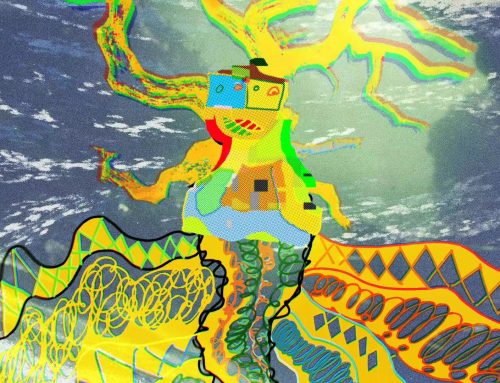
- Image of Dr Melanie Jansen’s poetry collection book cover
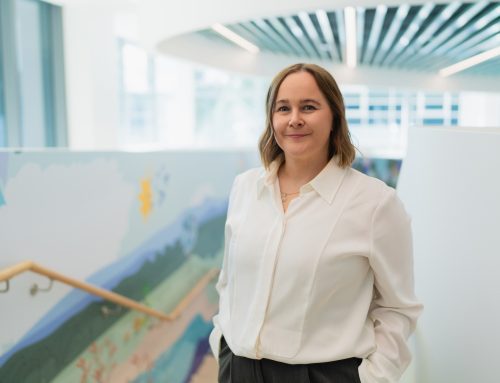
- Her headshot of Dr Melanie Jansen
Written by Dr Barbara Doran
Posted by Elyssa Sykes-Smith
-
Dr Melanie Jansen lives, writes, and practices medicine in Meanjin, Brisbane. Across a range of forms, her poems move from the grief and intensity of ICU to the consolations of nature and the life of family, love and loss. Her work has been published in medical journals and poetry anthologies. All The Could Be Lost is Melanie’s first collection.
-
Dr. Barbara Doran Barbara Doran is a creative leader, artist and researcher at the intersection of art, health and education. As Creative Lead for the SPHERE Knowledge Translation Platform, senior academic at UTS, and President of Arts Health, she brings 25+ years advancing arts-based research and collaboration. Author of three books, she positions creative practice as essential cultural infrastructure for health, connection and systems transformation.
-
Elyssa Sykes-Smith is a multidisciplinary artist, educator and researcher, and Media Officer at AHNNA.